
GEN Z ARE YOU LISTENING? ARE YOU OUT THERE ALPHAS?
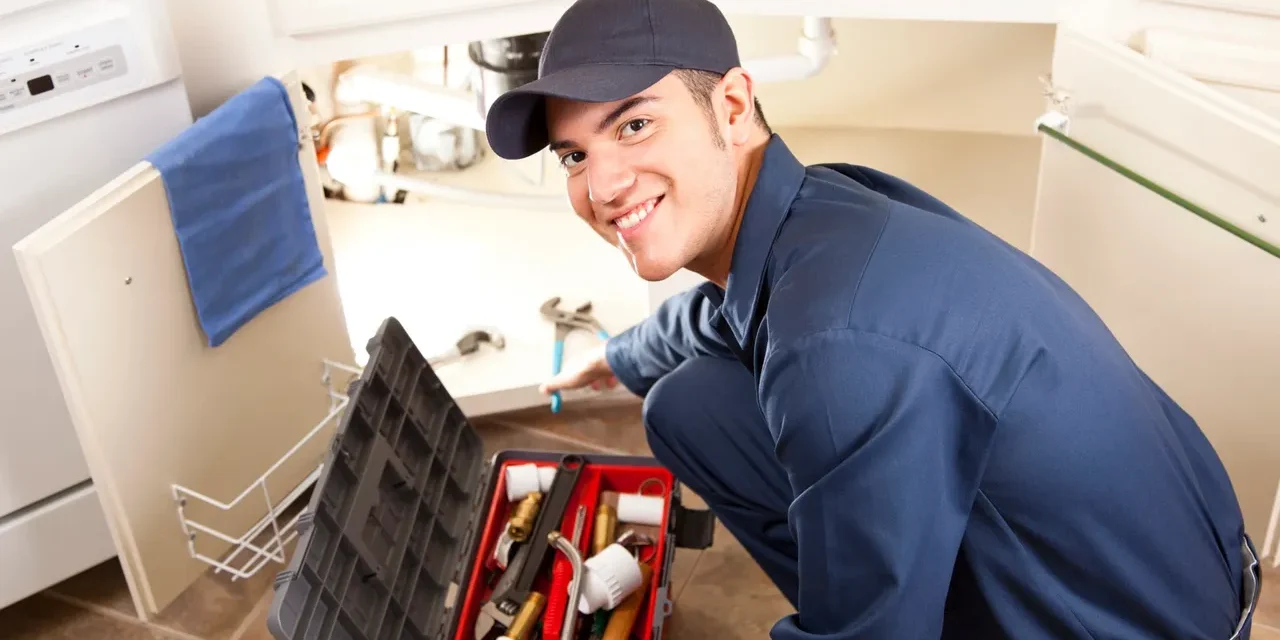
From 2015 to today the way students and their parents approach college decisions has not changed. High school curriculum downplays vocational options and counselors steer more students to 4-year degrees. Leaving high school grads to make career choices based on out-of-date perceptions, or biases.
People, we have a labor shortage. To date more than 1.4 million jobs in the skilled trades of HVAC, Plumbing and Electrical service remain unfilled. These are high paying, lifelong career-making positions. Let’s take a look at plumbing jobs.
Plumbers are among the most sought after tradespeople on the planet.
Clean water and sanitation are essential to public health. Preserving clean water by fixing a leak, safely disposing of wastewater or by unclogging a kitchen sink — are essential tasks.
An Increasing Demand
There is a tremendous gap between the number of plumbers now working in the trade and the number needed in the very near future. According to the U.S. Bureau of Labor Statistics, there are about 49,800 job openings for plumbers each year. That is expected to continue for at least the next 10 years.
The Road to Becoming a Plumber
A high school diploma is all that’s needed to start working as a plumbing apprentice. Earn and learn starts right sway. Apprentices often take one or two nights per week to learn while logging 40 to 45 hours on the job. Some contractors offer half day learning/half day helper programs. Just think, no student loan debt!
After apprenticeship training, apprentices can sit for the journeyman’s exam. Becoming a journeyman or JP allows plumbers to take on more responsibilities and to work alone without supervision. Each state has its own exam version. Most include both written and practical elements, such as drawing piping diagrams, soldering copper tubing and fitting together pipe assemblies within very strict tolerances to pass the test.
Average Salary: $55,000 per year
Essential Job Security: Plumbing jobs will always be essential. Not shipped overseas or replaced by automation.
Getting Started in the Plumbing Trade
Job Requirements: Yes, the work is physical but it also requires a sharp mind. You cannot be afraid of power tools, climbing ladders, fire or loud noises. You will get dirty.
Getting started in the plumbing trade can be as easy as responding to a job posting, or asking a friend who works in the trades who they might want to work for. Many employers are willing to hire someone with the right attitude and the dedication to study online.
Find out what’s possible in your area, ask The Blue Collar Recruiter for help!
Plumbing Career Guide 2026: Why It Pays More Than a College Degree
The way students and parents approach career decisions hasn’t changed much since 2015—and that’s a problem.
High school curriculum still downplays vocational options. Guidance counselors continue steering students toward four-year degrees, often regardless of interest, aptitude, or career prospects. This leaves high school graduates making life-changing decisions based on outdated perceptions and biases that no longer reflect economic reality.
Meanwhile, there’s a crisis:
More than 1.4 million jobs in the skilled trades—HVAC, plumbing, and electrical—remain unfilled. These aren’t minimum-wage positions. They’re high-paying, stable, lifelong careers that offer something most college graduates struggle to find: guaranteed employment and zero student debt.
Let’s talk about one of the most in-demand trades: plumbing.
Why Plumbers Are Among the Most Sought-After Professionals on the Planet
Clean water and sanitation are fundamental to public health and modern civilization. When something goes wrong—a burst pipe flooding a basement, contaminated water threatening a family’s health, or a clogged commercial kitchen shutting down a restaurant—people need help immediately.
Every task a plumber performs is essential:
Fixing leaks preserves clean water resources
Safely disposing of wastewater protects public health
Installing water heaters ensures hot water for homes and businesses
Unclogging drains keeps facilities operational
Installing and maintaining gas lines keeps homes heated and safe
These aren’t luxuries. They’re necessities that create constant, recession-resistant demand for skilled plumbers.
The Numbers Don’t Lie: Massive Demand, Limited Supply
According to the U.S. Bureau of Labor Statistics, there are approximately 49,800 job openings for plumbers each year—and that’s expected to continue for at least the next decade.
Why the shortage?
Retirement wave: Over 50% of current plumbers are approaching retirement age. Tens of thousands will leave the profession in the next 5-10 years.
Fewer young people entering: While 70% of high school graduates attend college, fewer than 5% enroll in vocational programs. The pipeline of new plumbers can’t keep pace with retirements.
Growing infrastructure needs: Aging water systems, new construction, and stricter environmental regulations all increase demand for licensed plumbers.
The result? Companies compete aggressively for qualified plumbers, driving wages up year after year. This is a worker’s market—and it’s only getting better for those entering the trade.
The Road to Becoming a Plumber: Faster and Cheaper Than College
Unlike the four-year college path that leaves graduates with an average of $150,000+ in student debt, becoming a plumber follows a proven “earn while you learn” model.
Step 1: Start as an Apprentice (Day One)
Requirements: High school diploma or GED—that’s it.
You can start working as a plumbing apprentice immediately after high school. Many contractors offer structured programs where apprentices:
Work 40-45 hours per week in the field
Attend classroom training 1-2 nights per week (or use online trade school courses)
Earn $16-22/hour starting out (increasing annually)
Gain hands-on experience under licensed plumbers
Build a professional network in the industry
Some contractors offer even better arrangements: Half-day virtual learning combined with half-day helper roles. You’re building skills and earning money simultaneously—no student loans required.
Step 2: Complete Your Apprenticeship (4-5 Years)
Apprenticeships typically require 8,000-10,000 hours of documented on-the-job training plus classroom instruction. This sounds long, but remember: you’re earning the entire time, not paying tuition.
During your apprenticeship, you’ll learn:
Plumbing code and regulations
Pipe installation and repair techniques
Water heater installation and maintenance
Drainage and venting systems
Gas line installation and safety
Blueprint reading and job estimation
Customer service and communication skills
Your earning progression during apprenticeship:
Year 1: $16-22/hour ($33,000-$46,000 annually)
Year 2: $20-26/hour ($42,000-$54,000 annually)
Year 3: $24-30/hour ($50,000-$62,000 annually)
Year 4: $28-35/hour ($58,000-$73,000 annually)
Step 3: Pass Your Journeyman Exam
After completing your apprenticeship, you’re eligible to take the journeyman plumber licensing exam. Each state has its own version, but most include:
Written section covering plumbing code, safety, and theory
Practical section demonstrating skills like:
Drawing accurate piping diagrams
Soldering copper tubing to code standards
Assembling pipe systems within strict tolerances
Troubleshooting common plumbing problems
Becoming a journeyman plumber allows you to work independently without supervision, take on more responsibilities, and command significantly higher wages.
Step 4: Continue Growing (Optional but Lucrative)
Master Plumber License: After additional years as a journeyman, you can test for your master plumber license. This allows you to:
Pull permits and oversee projects
Train and supervise other plumbers
Start your own plumbing business
Earn $70,000-$120,000+ annually
Specializations: Some plumbers specialize in high-paying niches like:
Commercial and industrial plumbing
Medical gas systems
Backflow prevention
Water treatment systems
Green plumbing and sustainability
What Plumbers Actually Earn (The Real Numbers)
Entry-level plumbing apprentices: $33,000-$46,000/year
Experienced apprentices (Years 3-4): $50,000-$73,000/year
Journeyman plumbers: $55,000-$80,000/year
National average: $60,000/year
Master plumbers: $70,000-$120,000/year
Business owners: $100,000-$300,000+/year
Compare this to college graduates:
The median starting salary for 2026 college graduates is $55,000—but that comes with an average of $150,000 in student debt. Meanwhile, a journeyman plumber earning $60,000 has zero debt and four years of work experience.
Do the math:
College grad at age 26: $55,000 salary, $150,000 debt, 4 years of lost earnings
Plumber at age 26: $60,000+ salary, zero debt, $250,000+ earned during apprenticeship
The plumber is ahead by over $400,000 before even considering student loan interest.
Essential Job Security: Why Plumbing Is Robot-Proof
Plumbing jobs will always be essential. They can’t be:
Shipped overseas: You can’t fix a burst pipe in Des Moines from a call center in another country.
Replaced by automation: Robots can’t navigate crawl spaces, diagnose complex problems, or communicate with customers about plumbing solutions.
Eliminated by AI: Artificial intelligence won’t install water heaters, unclog drains, or repair sewer lines.
Reduced during recessions: People need working plumbing regardless of economic conditions. If anything, people delay upgrades but continue paying for repairs—making plumbing more recession-resistant than many white-collar jobs.
The truth: As long as humans need clean water and functional sanitation, plumbers will have job security. It’s one of the most stable career paths available.
The Reality: What the Job Is Actually Like
Let’s be honest about what plumbing work involves. This isn’t a desk job, and it’s not for everyone.
The Physical Requirements
You will:
Climb ladders and work in tight spaces (attics, crawl spaces, behind walls)
Lift heavy materials (water heaters can weigh 100+ pounds)
Work in various weather conditions (sometimes outdoors)
Use power tools, torches, and specialized equipment
Get dirty (it’s part of the job)
Occasionally deal with unpleasant situations (yes, clogged drains can be gross)
You need:
Comfort with physical labor
Willingness to work in uncomfortable conditions occasionally
Ability to handle loud noises and various work environments
Basic physical fitness and coordination
The Mental Requirements
Plumbing is not mindless work. Successful plumbers need:
Problem-solving skills: Every job is different. You’ll diagnose issues, develop solutions, and adapt when problems arise.
Mathematical ability: Calculating pipe angles, measurements, and material quantities requires solid math skills.
Code knowledge: Understanding and applying complex building codes and regulations.
Customer communication: Explaining problems, recommending solutions, and building trust with homeowners and business owners.
Business sense: Eventually estimating jobs, managing time, and potentially running your own business.
The best plumbers combine physical skills with sharp minds. If you like solving puzzles, working with your hands, and helping people, plumbing might be perfect for you.
How to Get Started in Plumbing
Getting started in the plumbing trade is easier than you think.
Option 1: Direct Application
Many plumbing companies are desperate for workers and will hire someone with the right attitude even without experience. Search for “blue collar jobs” or “plumbing apprenticeships” in your area.
Option 2: Networking
Ask friends or family members in the trades who they’d recommend working for. Personal referrals often lead to the best opportunities.
Option 3: Start Training Before You Apply
Smart candidates gain an edge by completing online plumbing courses before applying for apprenticeships. Showing up with foundational knowledge makes you significantly more attractive to employers—and often leads to higher starting pay.
Option 4: Work with The Blue Collar Recruiter
We connect aspiring plumbers with employers actively hiring apprentices. We help with:
Finding companies offering apprenticeships in your area
Preparing for interviews with resume and coaching support
Providing virtual plumbing training to make you job-ready
Matching your skills and personality with the right employers
Why Choose Plumbing Over College?
No student debt: Graduate with zero loans instead of $150,000+ in debt.
Earn while you learn: Make money from day one instead of paying tuition for four years.
Guaranteed employment: Companies are desperate for plumbers. You’ll have job offers before you even complete your apprenticeship.
Entrepreneurship opportunity: Many plumbers start successful businesses within 5-10 years.
Recession-resistant: People always need plumbing, regardless of economic conditions.
Physical and mental challenge: If you hate desk work, plumbing offers variety, problem-solving, and tangible results.
Respect and impact: You solve real problems for real people. Customers are genuinely grateful when you fix their issues.
Start Your Plumbing Career with The Blue Collar Recruiter
Don’t let outdated guidance counselor advice push you toward an expensive college degree and uncertain career prospects. Explore the real opportunities available in skilled trade careers like plumbing.
The Blue Collar Recruiter helps you:
✓ Find plumbing apprenticeships and entry-level positions
✓ Complete online plumbing training before you start
✓ Prepare for interviews and licensing exams
✓ Connect with reputable employers actively hiring
✓ Get career guidance from industry professionals
✓ Access training programs nationwide
Ready to explore a plumbing career? Contact The Blue Collar Recruiter for a free consultation and discover if plumbing is the right path for you.
No student debt. Real skills. Guaranteed employment. That’s the plumbing advantage.
Share this post
More Resources
You are one click away from launching a rewarding trade career.