
Why Your Best HVAC Techs Are Burning Out — And Losing Them Before Winter Rush Costs You More Than You Planned
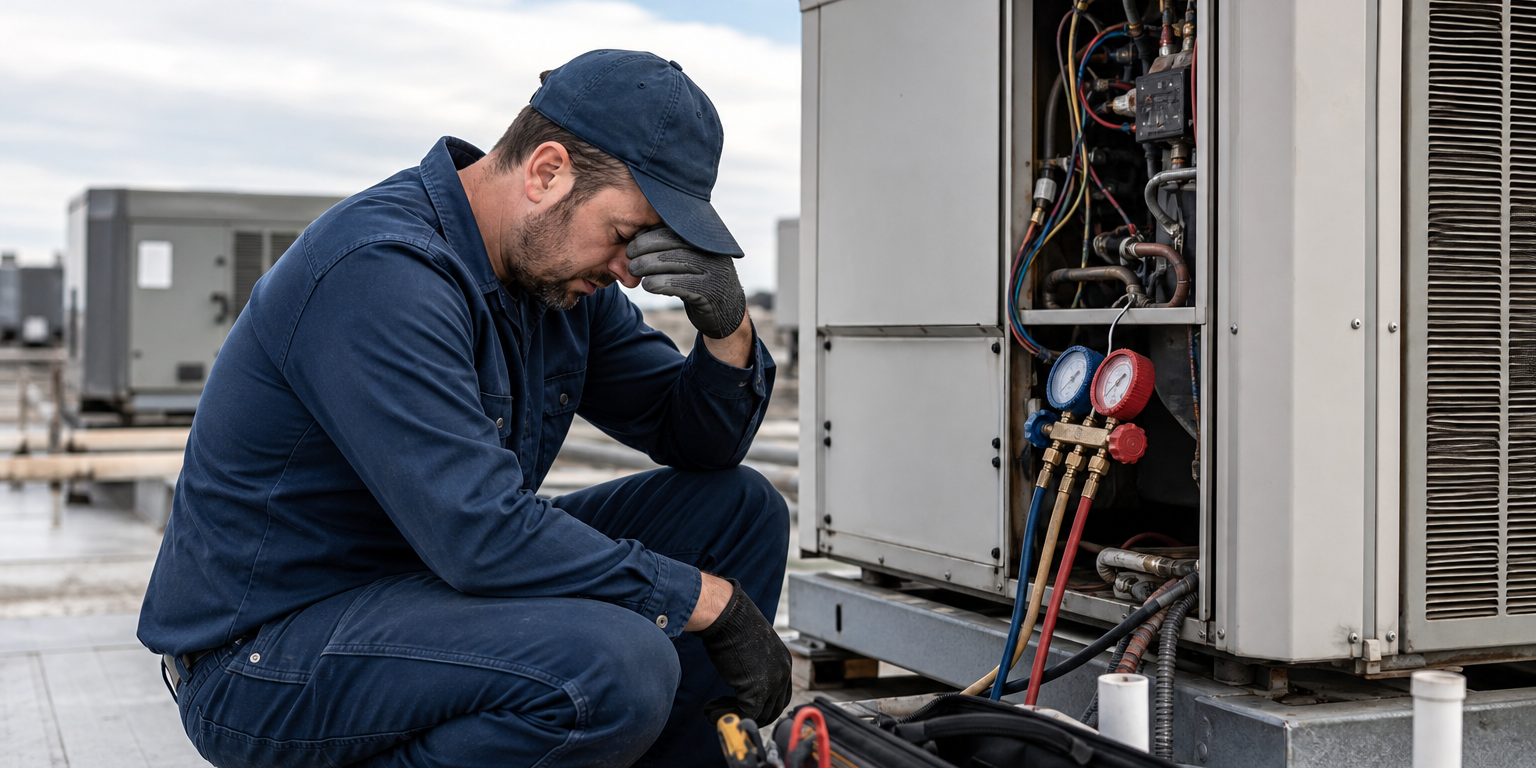
HVAC service managers, fleet supervisors, and business owners in the HVAC industry face a common challenge: high-performing technicians are leaving just as the winter season ramps up. If you’re reading this, you’re likely in charge of a contracting team, a service operation, or a maintenance division within a regional HVAC company. The pain points are real: long hours, inconsistent workflows, and the pressure to hit tight service windows can erode morale and retention. This article helps you recognize burnout, protect your top talent, and implement practical steps that actually move the needle before the cold weather drives demand up.
What burnout looks like in HVAC teams
Burnout isn’t a single event; it’s a pattern of exhaustion, cynicism, and reduced effectiveness that develops over weeks or months. In an HVAC context, typical signals include:
-
Persistent fatigue at start of shift and during calls
-
Dwindling job satisfaction after high-demand weeks
-
Rising error rates or safety near-misses on complex installs
-
Increased tardiness or early departures, even when the schedule is full
-
Requests to reduce travel time or to cut back on after-hours support
Industry data suggests burnout contributes to higher turnover, lower first-time fix rates, and longer average repair times. For a mid-sized HVAC service business, a 10, 20% quarterly churn of senior techs can translate into a cascade of recruiting costs, training time, and lost customer trust. Understanding these patterns is your first defensive step before winter demand spikes.
Why winter rush exacerbates the problem
Winter creates a surge in service requests, emergency calls, and critical installations. Techs face:
-
Backlogs from earlier months that compress the daily workload
-
Higher travel distances to fewer available service windows
-
Urgent customer expectations around comfort and safety
-
Pressure to complete longer, messier jobs in tight timelines
Without proactive staffing, the same seasoned techs become bottlenecks, and managers start chasing a moving target, trying to balance short-term demand with long-term retention.
Crafting a practical retention playbook
Retention starts with clarity, fairness, and predictability. Below are actionable strategies you can implement now, before the winter rush arrives.
1) Redesign the on-call and travel model
-
Limit consecutive on-call nights to prevent fatigue and protect personal time.
-
Automate the dispatch process to balance workload and reduce unnecessary travel.
-
Offer capped on-call incentives aligned with measurable outcomes (response time, customer satisfaction).
2) Normalize workload with data-driven scheduling
-
Track average job duration by tech and by job type to predict daily capacity.
-
Implement a transparent roster that distributes high-complexity jobs evenly.
-
Build a “reserve pool” of trained technicians who can temporarily fill gaps.
3) Invest in technology and tool efficiency
-
Provide mobile work order access, offline maps, and real-time updates to reduce downtime.
-
Equip vans with standardized tool kits and commonly used parts to cut trips to supply stores.
-
Use diagnostic dashboards to reduce repeat visits and speed up first-time fixes.
4) Strengthen safety and process controls
-
Reinforce safety checklists to prevent injuries that contribute to burnout and downtime.
-
Standardize commissioning and hand-off procedures to reduce rework.
-
Offer refresher trainings in high-incident areas (heat exchangers, refrigerants, electrical safety).
5) Build a supportive culture and recognition program
-
Celebrate milestones (months without incident, high first-time fix rate).
-
Institute peer mentorship where veteran techs coach newer hires.
-
Provide mental health resources and flexible options to manage personal time.
Training and skill development as a retention lever
Top performers stay when they see a clear path for growth. Invest in targeted development that aligns with the jobs they perform every day.
Specialized tracks that matter
-
Senior trouble-shooter track: complex refrigerant systems, inverter-driven compressors, and VAV/DA control optimization.
-
Commissioning and startup track: system commissioning checklists, energy efficiency optimization, and documentation.
-
Safety and compliance track: OSHA standards, electrical safety, and hazardous materials handling.
On-the-job coaching and bite-sized learning
-
Weekly 20-minute micro-trainings focused on a specific fault, diagnostic tip, or safety reminder.
-
Field debriefs after challenging calls to capture lessons learned and prevent future repeats.
-
Access to a knowledge base with searchable problem-solving guides and part numbers.
Career progression and recognition
-
Clear criteria for promotion into lead technician or service supervisor roles.
-
Financial incentives that reward efficiency, quality, and customer satisfaction.
-
Opportunities to mentor apprentices and become a subject-matter expert in a niche area.
Operational improvements that reduce burnout risk
Small changes to daily routines can have outsized effects on morale and capacity.
Improve job visibility and communication
-
Real-time updates to customers about arrival windows and status.
-
Transparent communication between dispatch, technicians, and the office.
-
Clear escalation paths for urgent issues to prevent rushed decisions.
Efficient onboarding for new hires
-
Structured 2-week onboarding with shadowing, hands-on practice, and check-ins.
-
Pair new technicians with experienced mentors for the first 60 days.
-
Provide early wins by routing simpler calls to new hires with supervision.
Performance metrics that support wellbeing
-
Measure not just productivity, but time-to-triage, travel distance per job, and customer feedback.
-
Reduce punitive metrics that encourage rushing or cutting corners.
-
Publish monthly dashboards to make progress visible to the team.
Customer experience considerations during winter
Happy customers reduce rework and friction, which in turn lowers technician stress. Practical steps include:
-
Provide customers with clear, realistic appointment windows and proactive reminders.
-
Offer after-hours options only when demand requires it and compensate accordingly.
-
Share post-service summaries that explain work performed and recommended follow-ups.
Illustrative scenario and expert attribution
Illustrative scenario: Consider a regional services company, let’s call it Northern Climate HVAC, servicing 150 residential and small commercial sites across a three-county area. In late summer, the head of operations notices a dip in morale among senior technicians who have continuously absorbed weekend calls and after-hours emergencies. The company implements a structured on-call rotation, introduces a 60-day onboarding sprint for new hires, and rolls out a mobile-first dispatch tool that shows technicians real-time job priorities and ETA. Within eight weeks, on-time arrival rates improve, rework drops by 18%, and technician wellness surveys show higher job satisfaction. The owner attributes these gains to clearer expectations, better scheduling fairness, and investment in practical tools rather than vague incentives.
Practitioner observation: A veteran service manager from a mid-market HVAC contractor reports that the most effective changes were reducing after-hours calls by 20% through schedule balancing and a two-tier on-call system that assigns one “primary” on-call tech and one “backup” per shift. This approach keeps workloads predictable and preserves personal time, which correlates with lower burnout scores and better retention in the following season.
Expert attribution: Dr. Maya Chen, a consultant who specializes in field service operations and workforce wellbeing, notes that burnout in high-demand trades is often driven by mismatched expectations and insufficient recovery time. Her guidance emphasizes data-informed rosters, transparent incentive structures, and robust coaching programs as the core drivers of resilience and staff retention in service-heavy industries like HVAC.
Audience-focused implementation plan for your team
To turn this guidance into action, use the plan below as a practical checklist. It targets a specific audience: an HVAC service operations leader at a mid-sized company who wants to reduce turnover and improve winter readiness without overhauling the entire business model.
60-day starter milestones
-
Audit: map current on-call coverage, travel patterns, and job durations by tech.
-
Pilot: run a two-tier on-call schedule with a backup tech for weekends.
-
Tooling: deploy a mobile dispatch app with real-time status and ETA for all techs.
-
Support: launch a mental health resource plan and a flexible time-off policy.
90-day scale-up milestones
-
Rollout: standardize onboarding with a two-week ramp and mentor pairing.
-
Training: implement micro-trainings and quarterly skill-refresh sessions.
-
Measurement: publish a dashboard tracking burnout indicators, first-time fix rate, and customer satisfaction.
120-day sustainability milestones
-
Optimize: refine routing to minimize travel distance and maximize job efficiency.
-
Recognition: establish a quarterly “Top Maintainer” award based on measurable outcomes.
-
Customer: maintain proactive maintenance campaigns that reduce emergency calls.
Concrete next steps you can take today
– Review your on-call policy and set a limit on consecutive on-call days. Create a reliable backup system for weekends and holidays.
– Implement a transparent scheduling framework that balances high-skill job assignments across your team.
– Invest in mobile dispatch and diagnostic tools that shorten time to fix and reduce unnecessary trips.
– Launch a 60-day onboarding sprint with mentorship for new hires and a clear growth path for senior techs.
– Introduce a wellbeing and safety program with easy access to support resources and flexible time-off policies.
Measurable outcomes to track before and after the winter rush
Track these metrics to quantify improvements in retention, efficiency, and customer outcomes:
-
Turnover rate among senior technicians
-
First-time fix rate
-
Average travel distance per job
-
Average time on site per job
-
On-time arrival rate
-
Customer satisfaction scores
-
Incident rate and near-miss reports
Frequently asked questions
-
How do I know if burnout is affecting my technicians?
-
What is the most effective first step to reduce winter burnout?
-
How can I balance customer demand with technician wellbeing?
-
What tools are essential for improving dispatch and scheduling?
In closing: take decisive action before the winter rush
If you want to protect your best HVAC techs and reduce costly churn, start with a concrete, data-informed plan that emphasizes fair workloads, clear paths for growth, and practical tools that save time and prevent fatigue. Begin with a two-week onboarding sprint for new hires, pilot a two-tier on-call schedule, and deploy a mobile dispatch solution. Monitor burnout indicators, first-time fix rates, and customer satisfaction on a monthly basis, and share the results with your team to reinforce progress.
Act now: assign ownership for the on-call redesign, set a kickoff date for the onboarding sprint, and schedule the first micro-trainings. By combining structured scheduling, supportive culture, and modern tools, you’ll be better prepared to meet winter demand while preserving the health and loyalty of your most valuable technicians.
Share this post
More Resources
You are one click away from launching a rewarding trade career.