
The Difference Between a Great Leader and a Great Manager: Can You Be Both?
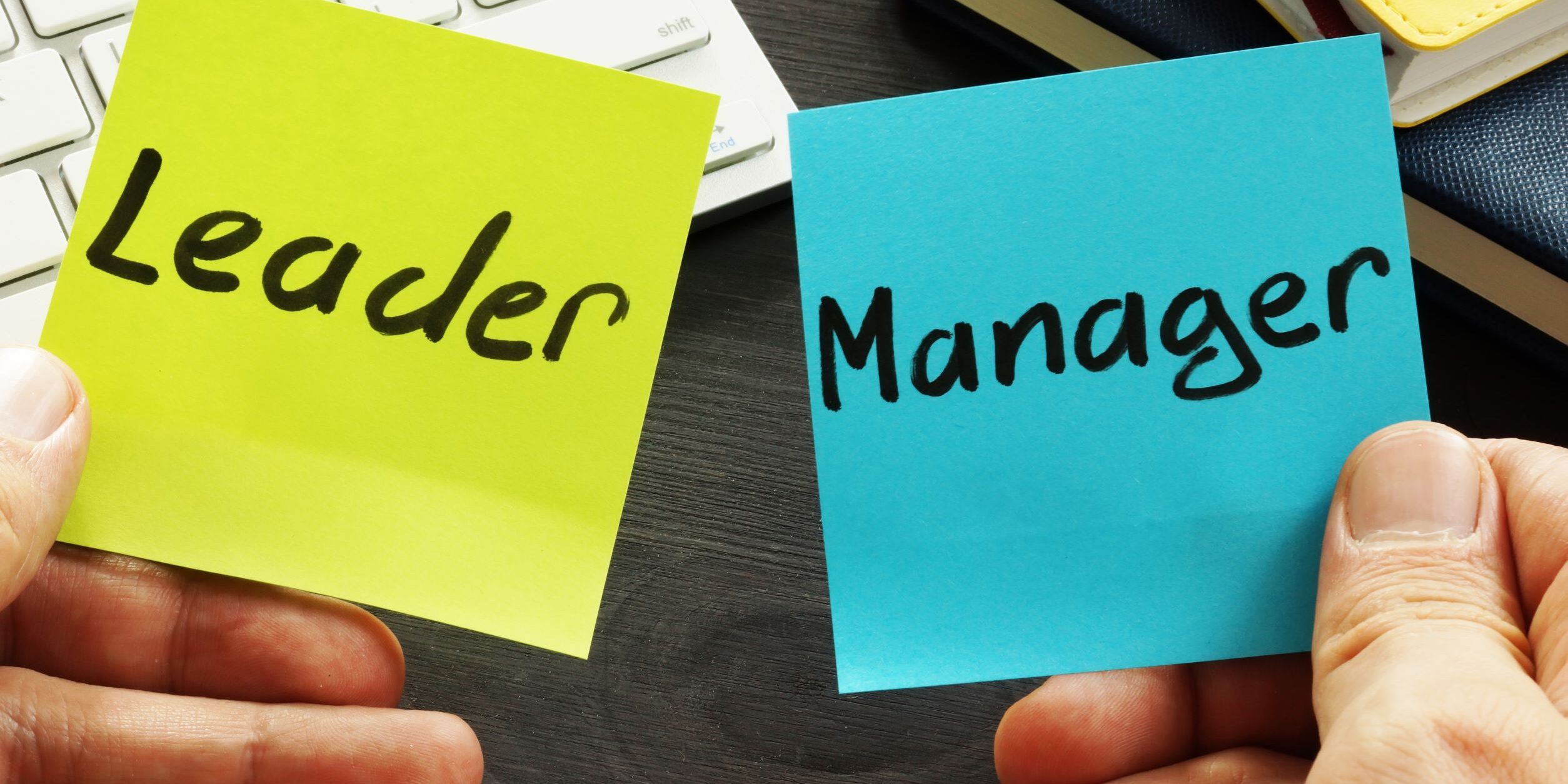
In the fast-paced and ever-evolving world of business, particularly in the blue-collar and skilled trades sectors, the distinction between leadership and management is often blurred. While both roles are crucial for organizational success, they are fundamentally different in terms of approach, responsibility, and skillset. Understanding the difference between a great leader and a great manager, and how you can become both can set you on a path to building a high-performing, motivated, and engaged team.
In this blog, we’ll dive into the key differences between leadership and management, explore why it’s challenging to excel at both, and discuss how training and self-development can help you master these essential skills.
What is a Great Leader?
A great leader is someone who inspires, motivates, and drives a vision. Leaders are typically forward-thinking, fostering innovation and long-term growth. They provide direction by setting a compelling vision that encourages employees to follow them not just because of authority but because they believe in the cause.
Key qualities of a great leader include:
- Visionary Thinking: Leaders see the big picture and inspire others to work toward achieving a long-term goal.
- Inspiration and Motivation: Great leaders know how to motivate their team, often through encouragement, support, and the creation of a positive work culture.
- Empathy and Emotional Intelligence: Leaders often possess high emotional intelligence, allowing them to understand and address their team’s needs and concerns.
- Change and Innovation: Leaders are not afraid to challenge the status quo and are driven by progress and innovation.
In industries like the skilled trades, where operations can sometimes be traditional and slow to adapt to new technology or trends, a leader’s ability to push for change and innovation is critical. A great leader shapes the culture and drives the long-term vision of the company.
What is a Great Manager?
While leadership is about inspiring and guiding people, management focuses on executing plans, ensuring efficiency, and delivering results. A great manager is someone who makes sure the day-to-day operations run smoothly. They are detail-oriented, organized, and focused on achieving immediate goals.
Key qualities of a great manager include:
- Process-Oriented: Managers excel at creating systems and processes that streamline work and improve productivity.
- Decision-Making: Managers are responsible for making tough decisions that directly impact operations, resources, and employees.
- Task Management: A great manager ensures that tasks are assigned correctly and deadlines are met.
- Resource Allocation: Managers are skilled in utilizing company resources – whether it’s manpower, tools, or budgets – effectively.
In blue-collar businesses, especially those focused on operations like HVAC, plumbing, or construction, management is crucial in ensuring that projects are completed on time and within budget. A manager’s ability to allocate resources, ensure safety, and maintain high standards of quality are essential for the business’s day-to-day success.
The Challenge of Being Both a Great Leader and a Great Manager
The challenge comes when you try to be both a great leader and a great manager. These two roles require different skill sets and mindsets, and they often pull you in opposite directions.
- Leadership requires a long-term, big-picture view, while management focuses on short-term goals and operational efficiency.
- Leaders often focus on inspiring others to think creatively and break free from constraints, whereas managers must focus on maintaining control, structure, and process.
- Leaders are change agents, often pushing boundaries and encouraging risk, while managers are expected to maintain stability and minimize risk.
It can be difficult to juggle both roles, especially if you’re in a smaller business where you might not have dedicated managers or leadership teams. Being a great leader requires visionary thinking and emotional intelligence, while being a great manager requires organization, efficiency, and a focus on the immediate.
Is It Possible to Be Both?
The short answer is yes – it’s possible to be both a great leader and a great manager. However, it requires intentional development and the ability to switch between roles when needed. Here’s how you can become proficient in both areas:
1. Invest in Leadership and Management Training
The most successful leaders and managers are those who never stop learning. Participating in leadership and management training programs can provide you with the tools and frameworks needed to balance both roles effectively. Training programs that focus on emotional intelligence, team building, and conflict resolution will help you become a more effective leader. Meanwhile, courses on project management, resource allocation, and operational efficiency will strengthen your management skills.
2. Build a Strong Support System
As a leader and manager, you can’t do everything yourself. Surround yourself with a capable team that can handle day-to-day tasks while you focus on inspiring and guiding them. This can also mean promoting leaders within your team who can handle operational challenges while you step into a leadership role to motivate and guide them.
3. Delegate Wisely
Effective delegation is essential to managing the dual roles of leader and manager. By delegating responsibilities to trusted team members, you free up time to focus on the long-term vision while ensuring that day-to-day operations run smoothly. Great leaders trust their team members and empower them to take ownership of their responsibilities, which, in turn, creates a culture of accountability and success.
4. Balance Emotional Intelligence and Efficiency
Leaders with high emotional intelligence know how to connect with their teams, while managers with operational efficiency can get the job done. Strive to balance empathy with practicality. Understand the needs and emotions of your team while maintaining a sharp focus on the goals and objectives that will move the business forward.
5. Be Adaptable
One of the hallmarks of great leadership is adaptability. Being able to switch between managing tasks and motivating people based on the situation at hand is an essential skill. The best leaders and managers know when to step back and let the team take the reins and when to get involved to steer things in the right direction.
2026 Update: Leadership & Management in the Modern Trades Workplace
The dynamics of leadership and management in skilled trades have evolved significantly in 2026, driven by generational shifts, technology adoption, and changing employee expectations. Here’s what today’s most effective leaders and managers are doing differently.
Hybrid Leadership Models Are Taking Over
The traditional top-down management structure is giving way to hybrid leadership models where field supervisors and lead technicians are empowered to make real-time decisions. According to research from Harvard Business Review, companies that distribute leadership responsibilities across multiple levels see 27% higher employee engagement and 21% better project outcomes. In trades businesses, this means your best HVAC tech or master electrician isn’t just executing work—they’re helping shape how the team operates.
Emotional Intelligence Training Is Non-Negotiable
The most successful trades managers in 2026 are those who’ve invested in soft skills development. Data from the Society for Human Resource Management shows that managers with high emotional intelligence reduce team turnover by up to 40%, a critical advantage when skilled labor is scarce and expensive to replace. Forward-thinking companies are now requiring leadership training that goes beyond technical expertise to include conflict resolution, active listening, and team motivation.
Technology is Reshaping Management Responsibilities
Field service management software, real-time job tracking, and mobile communication tools have fundamentally changed what it means to “manage” a trades team. Managers who embrace technology spend less time on administrative tasks and more time coaching, problem-solving, and building culture. This shift allows the same person to be both an efficient manager and an inspiring leader—technology handles the logistics while you focus on the people.
Finding Leaders Who Can Also Manage (and Vice Versa)
One of the biggest challenges trades businesses face is identifying candidates who have both leadership potential and management capability. That’s where strategic recruiting makes all the difference. BCRecruits.com doesn’t just connect you with skilled technicians—it helps you find experienced foremen, lead techs, and project managers who’ve already demonstrated the ability to inspire teams while delivering results. By filtering for leadership experience, certifications, and management track records, you can identify candidates who are ready to step into dual roles from day one.
Developing Your Own Leadership-Management Pipeline
The best companies aren’t just hiring great leaders and managers—they’re building them internally. Partnering with training programs and maintaining strong recruiting relationships through platforms like BCRecruits.com ensures you have a steady pipeline of talent that can grow into these critical roles. Whether you’re promoting from within or bringing in external leadership, having access to the right candidates at the right time is what separates thriving businesses from struggling ones.
The reality in 2026? The trades businesses that win are those led by people who can seamlessly shift between inspiring their team and executing the plan—and who have the systems and support to do both well.
Conclusion
While being a great leader and a great manager requires distinct skill sets and mindsets, it is possible to excel in both areas. By investing in training, building a strong support system, and mastering the art of delegation, you can effectively navigate the complexities of leadership and management. In the fast-paced world of blue-collar businesses, striking the right balance between these two roles can mean the difference between operational efficiency and long-term success. Keep honing your leadership and management skills, and you’ll be well on your way to creating a high-performing, engaged team that drives success for your business.
At The Blue Collar Recruiter, we understand the importance of both leadership and management in the success of a business, and we’re here to help you find the right people who can excel in both areas. Reach out today to learn how our recruiting services can help you build a high-performing team of leaders and managers.
Share this post
More Resources
You are one click away from launching a rewarding trade career.