
The Coolest Blue Collar Job Most People Ignore

When people think blue collar. One overlooked example: water heater installation and service. Companies like Discount Water Heaters in Fort Pierce, FL serve the entire Treasure Coast — same-day, no degree required careers, they picture electricians, plumbers, and construction workers. Nobody thinks about the crews building stages, running sound systems, and managing logistics for concerts and live events.
That’s a massive oversight. Live music production offers everything blue collar workers want: hands-on work, good pay, travel opportunities, and tangible results. Plus, you work around music instead of residential service calls.
In our latest podcast episode, we sat down with Greg Nelson, who spent decades in live music production working with major touring acts. Here’s what most people don’t understand about this blue collar career.
From Traditional Education to Live Music Industry
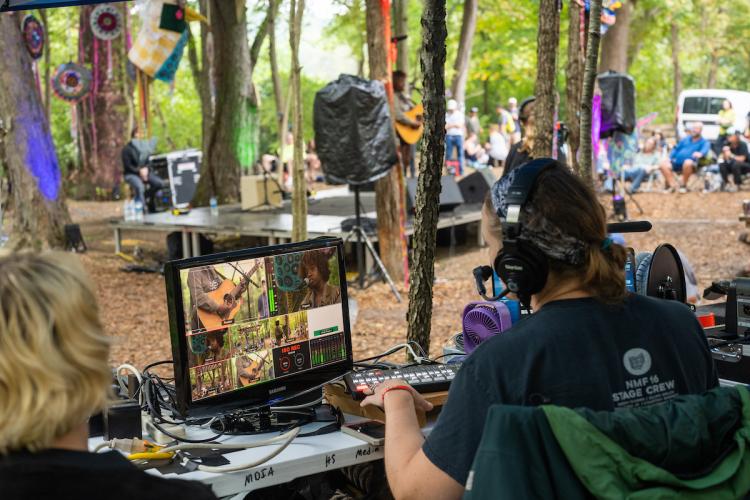
Most live music production workers don’t follow traditional paths. They don’t get degrees or attend specialized schools.
Greg’s story reflects the industry norm. You start in venues. Help with local shows. Prove you can handle responsibility and physical work. Network with the right people. Opportunities open up organically.
Someone needs help loading trucks for a regional tour. You’re available and willing to work hard. You prove reliable. You get called for the next tour. Then a bigger tour. Then you’re working with national acts.
No student debt. No four years in classrooms. Just learning on the job while earning.
The Blue Collar Reality
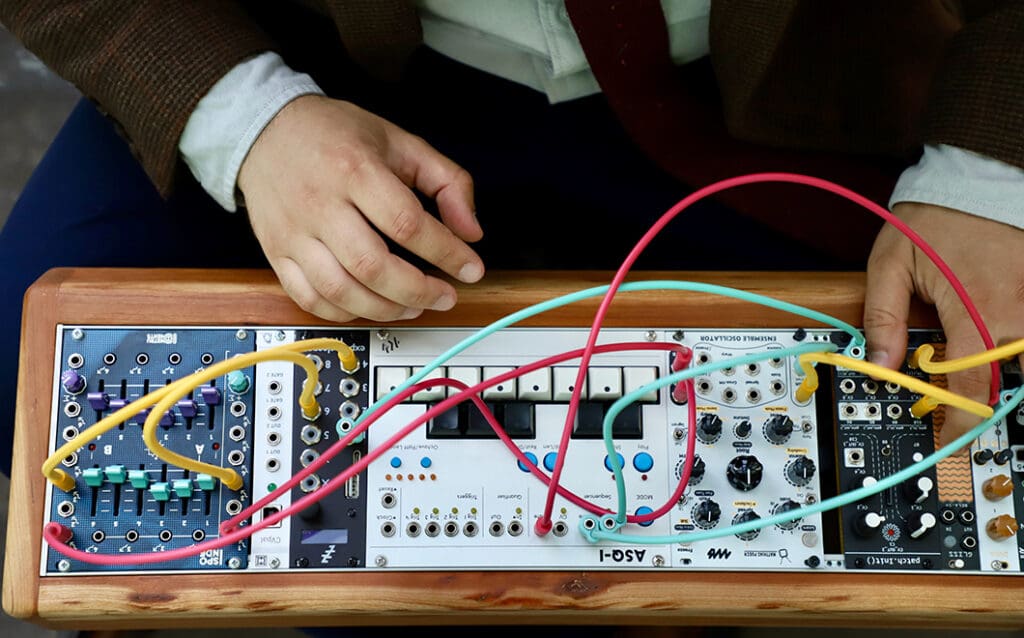
Despite working in entertainment, live music production is unquestionably blue collar work.
Physical labor: Loading trucks. Building stages. Running cables. Moving equipment. Climbing rigging. Working in all weather conditions.
Skilled trades: Electrical work for power distribution. Rigging for flying equipment. Audio engineering. Lighting programming. Carpentry for stage construction.
Work ethic requirements: Show up on time. Work long hours. Solve problems independently. Function as a team. Execute under pressure.
Military veterans often excel in live music production. The discipline, teamwork, and ability to function in chaos translates directly. Greg discussed how respect for authority and adherence to orders matter when safety is critical.
Life on the Road
Touring sounds glamorous. Reality is grueling. Different city every day or two. Long drives overnight. Setup at 6 AM. Show at 8 PM. Teardown until midnight. Load trucks. Drive to next city. Repeat for months.
Personal life suffers. Relationships strain. You miss family events. Dating is complicated.
But the pay compensates. Experienced production workers earn $50,000-$100,000+ annually. Production managers and specialized technicians clear six figures. Union tours offer excellent benefits.
Like other skilled trades careers, the money is real if you’re competent and reliable.
COVID-19 Impact and Career Transitions
The pandemic devastated live entertainment. Tours canceled overnight. Production workers with decades of experience found themselves unemployed.
Many transitioned to traditional trades. The skills transferred: electrical knowledge, rigging, project management, physical labor capability, problem-solving under pressure.
Some discovered they preferred the stability of non-entertainment work. Regular schedules. No travel. Consistent income.
Success Factors and High Turnover
The entertainment industry experiences high turnover. The lifestyle isn’t sustainable for everyone. Physical demands wear people down. Personal life sacrifices become too much.
Greg shared that people who last long-term share specific traits: adaptability, people skills, technical competence, work ethic, ability to handle stress, and genuine passion for the work.
Humility matters. Young workers who can’t take direction or think they know better than experienced crew don’t last.
Success comes from doing the work, learning continuously, building relationships, and proving reliability over years.
Career Advice

Want to break into live music production? Start local. Work at venues. Help with regional shows. Prove you’re reliable and willing to learn. Network constantly.
Don’t expect glamour. Expect hard work, long hours, and years proving yourself before you work with major acts.
The skills transfer to other industries. If live entertainment doesn’t work out long-term, you’ll have capabilities valuable in construction, events, and technical trades.
Listen to the Full Episode
This episode covers decades of experience in live music production, the realities of touring with major acts, behind-the-scenes stories, and honest career advice.
Listen to the full conversation: The Blue Collar Recruiter Podcast
Timestamps: 00:00 – Transition to Trades
32:36 – Transition During the Pandemic
40:29 – Behind the Scenes
47:44 – High Turnover in the Entertainment Industry
55:18 – Key to Success and Longevity
01:00:37 – Studio Work and Music Preferences
01:07:23 – Career Advice for Young People
Explore more about blue collar careers most people overlook.
Beyond the job itself, The Franchise Recruiter helps people in overlooked trades explore franchise business ownership — taking a niche skill set and building a scalable business around it in an underserved market.
Explore More Overlooked Trade Careers
Ready to discover your ideal trade career? The Blue Collar Recruiter’s job placement network connects you to employers in hundreds of trade specialties across the U.S. Browse all open positions here or take our trade career quiz to find your perfect match.
Related: 12 Fastest-Growing Blue Collar Careers | Six-Figure Blue Collar Jobs
Water heater installation and service is one example — and so is HVAC work. One Hour Heating & Air Conditioning® of Treasure Coast in Fort Pierce serves the Treasure Coast with a team of skilled HVAC technicians, and they’re the type of company always looking for great people.
Share this post
More Resources
You are one click away from launching a rewarding trade career.