
How Skilled Tradespeople Accidentally Sabotage Their Careers in 2026

The skilled trades offer some of the best career opportunities in today’s economy. Electricians, HVAC technicians, plumbers, welders, and other trades professionals are in massive demand across the United States.
Many skilled trades careers offer:
- High earning potential
- Job security
- Opportunities for advancement
- Entrepreneurship potential
- Freedom from traditional college debt
Yet despite these advantages, many tradespeople unintentionally hold themselves back from bigger opportunities.
The truth is that most career setbacks in the trades don’t happen because someone lacks technical skill. More often, careers stall because of habits, attitudes, or decisions that quietly limit long-term growth.
Here are some of the most common ways skilled trades professionals accidentally sabotage their own careers, and how to avoid them.
Ignoring Soft Skills
Technical ability is essential in the trades, but soft skills often determine who gets promoted, who becomes a leader, and who earns the highest income.
Many talented technicians struggle because they overlook skills like:
- Communication
- Professionalism
- Time management
- Customer service
- Team collaboration
Employers consistently say they would rather hire someone with a great attitude and strong communication skills than someone who is technically skilled but difficult to work with. According to the Bureau of Labor Statistics, demand for construction and extraction occupations continues to outpace supply, making well-rounded professionals even more valuable.
Technicians who invest in both technical ability and soft skills often advance much faster in their careers.
Poor Communication with Customers
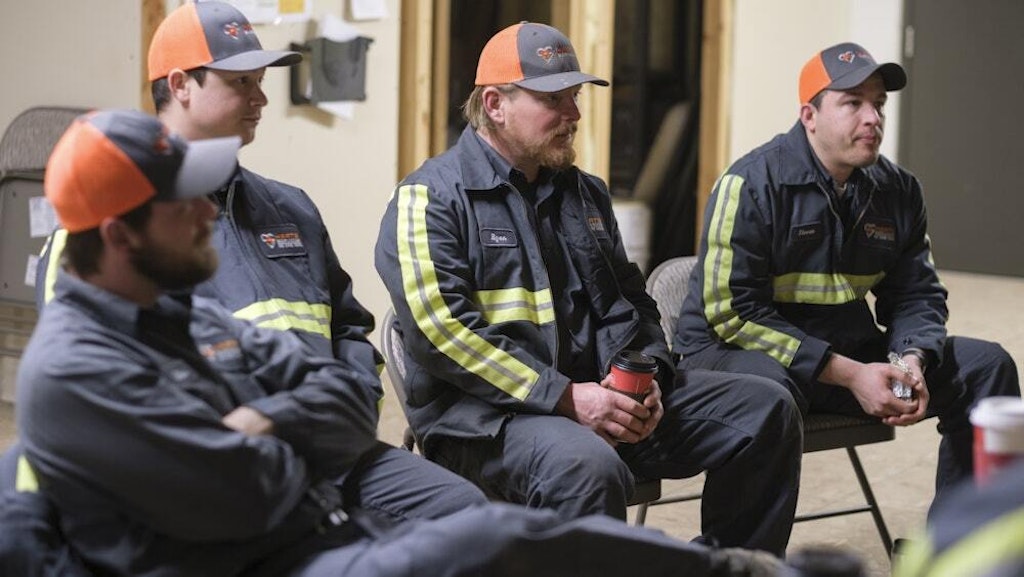
In many home service and field service industries, technicians are the face of the company. Customers remember how technicians make them feel just as much as they remember the quality of the work.
Tradespeople who struggle with communication may unintentionally:
- Come across as rushed or impatient
- Fail to explain problems clearly
- Miss opportunities to educate the customer
- Create confusion around pricing or solutions
Strong communication builds trust, increases customer satisfaction, and often leads to better tips, bonuses, and promotions.
A Negative Attitude on the Job
Attitude matters more than many people realize.
A technician who constantly complains about dispatch, management, customers, pay, or workload can quickly develop a reputation that limits career growth.
Employers notice the technicians who bring energy, solutions, and positivity to the job every day. Those are the people who often get promoted to lead technician, supervisor, trainer, or manager.
Refusing to Keep Learning

The trades are evolving rapidly. New technology, new equipment, new efficiency standards, and new building systems are constantly entering the market.
Tradespeople who stop learning often find themselves falling behind technicians who continue to develop their skills.
Successful trades professionals regularly pursue:
- Manufacturer training
- Industry certifications
- Safety credentials
- New diagnostic techniques
- Leadership development
Continuous learning not only improves job performance — it often leads to higher pay and better career opportunities. Programs like The Blue Collar Virtual Trade School make it possible to build new skills without leaving your current job.
Being Late or Unreliable
This may sound simple, but reliability is one of the most valuable traits employers look for.
Technicians who consistently show up late, miss meetings, or fail to complete paperwork can quickly lose trust with management.
Even highly skilled tradespeople can limit their advancement if they develop a reputation for being unreliable.
On the other hand, technicians who show up early, stay organized, and consistently deliver quality work quickly become indispensable team members.
Burning Bridges When Changing Jobs
The skilled trades industry is smaller than many people realize.
Managers move between companies. Owners talk to each other. Reputation travels fast. Tradespeople who leave jobs on bad terms — without notice, with conflict, or by damaging relationships — can unknowingly harm their long-term career opportunities.
Maintaining professionalism when transitioning between jobs protects your reputation and keeps future doors open.
Not Building a Professional Reputation
Your reputation in the trades matters.
Over time, a strong reputation can open doors to opportunities that many other technicians never hear about.
This is why many successful trades professionals stay connected within the industry and maintain relationships with previous coworkers, managers, and mentors. Skilled tradespeople play a critical role not just in their companies but in their local communities as well.
Finding the Right Opportunity
In 2026, the biggest career growth still happens when trades professionals find a company that truly values their skills and potential — and know which blue collar jobs pay the most right now.
At The Blue Collar Recruiter, we connect skilled trades professionals with companies across the country that are actively looking for talented technicians, installers, managers, and leaders.
Whether you are just starting your career or looking for your next opportunity, the right environment can make all the difference. You can also browse open positions on our Blue Collar Recruits job board.
For tradespeople ready to stop working for others and build something of their own, The Franchise Recruiter helps skilled professionals channel their experience into franchise ownership in home services and trades businesses.
HVAC technicians in the Treasure Coast area, for example, can find great opportunities with growing companies like One Hour Heating & Air Conditioning® of Treasure Coast, which consistently ranks among the top-rated home service providers in Fort Pierce and surrounding communities.
Share this post
More Resources
You are one click away from launching a rewarding trade career.