
From Entry-Level To Blue Collar Multi-Millionare With Jeff Rahn
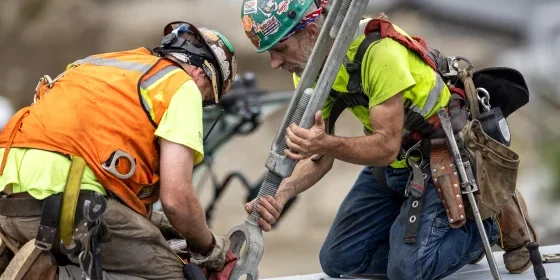
After transitioning from the Air Force to building a successful home services company, he learned what actually separates thriving business. Florida’s Treasure Coast market — where companies like Discount Water Heaters serve Fort Pierce, Port St. Lucie, and surrounding areas — shows what focused trade services can scale toes from struggling ones. And it has almost nothing to do with technical ability. On Episode 3 of The Blue Collar Trades Show we Brought on Jeff Rahn and talk about his story in the Blue Collar Trades
Military Leadership Translates to Business
Jeff’s Air Force background taught him something most business owners learn the hard way: systems and consistency matter more than individual heroics.
Military training emphasizes clear communication, standardized procedures, leadership through example, accountability at every level, and adapting quickly when situations change.
These principles translate directly to running home services businesses. You can’t be everywhere at once. Your systems have to work whether you’re on-site or not.
The transition from military structure to entrepreneurship wasn’t seamless. But the leadership fundamentals don’t change. Take care of your people. Set clear expectations. Execute consistently.
Hire for Personality, Train for Skills

This is where most home service owners destroy their businesses.
The typical process: Post a job. Review resumes. Hire whoever has the most certifications and experience.
Then they implode your operation by showing up late, pissing off customers, creating drama, and leaving after three months.
Jeff hires for personality and character, then trains for technical skills. He looks for people who show up consistently, communicate honestly, genuinely care about customers, handle stress professionally, and want to improve.
Technical skills? Trainable in six months.
Character? Nearly impossible to fix. You cannot teach someone to give a shit. You cannot train reliability.
The fastest-growing skilled trades companies figured this out years ago. The struggling ones keep hiring impressive resumes and wondering why nobody stays.
Soft Skills Drive Growth More Than Technical Ability
Here’s something most tradespeople hate hearing: your technical skills matter less than your soft skills once you’re competent.
Customer service, communication, and relationship management determine whether your business grows or plateaus.
Jeff’s seen technically brilliant technicians struggle because they can’t communicate with customers. They do perfect work but leave homeowners confused. No referrals. No repeat business.
Meanwhile, technicians with average technical skills but great customer interaction build loyal client bases. They explain things clearly. They make customers comfortable. They get referrals without asking.
Technical competence is the baseline. Soft skills create growth.
The Real Earning Potential

People drastically underestimate what you can earn in the trades.
Entry-level thinking: “Plumbers make $50,000. That’s the ceiling.”
Reality: Journeyman plumbers earn $65,000-$85,000. Specialized plumbers hit $90,000-$120,000. Business owners clear $150,000-$300,000+.
The earning potential in blue collar trades rivals or exceeds most white collar careers. Without the student debt.
Employee Retention Comes Down to Three Things
Jeff’s retention rates exceed industry averages. His approach isn’t complicated.
Fair compensation. Pay people what they’re worth. If someone’s generating $200,000 in revenue, they shouldn’t be making $45,000.
Clear development pathways. Show them how to progress from apprentice to journeyman to lead to supervisor to ownership. Make advancement concrete.
Integrity and consistency. Do what you say. Treat people fairly. Don’t play favorites. Consistency creates trust. Trust drives retention.
Pizza parties don’t retain employees if you underpay them and provide no growth path.
Customer Service Is Your Foundation
The internet changed everything. Customers research before calling. They read reviews. They expect transparency.
You can’t hide bad service anymore. One terrible experience becomes five one-star reviews. Those reviews cost you 20 future customers.
Jeff emphasizes customer service as foundational. Every interaction matters. Every technician represents your entire company.
What this means: hire people who naturally care about customers, train communication skills as seriously as technical skills, empower technicians to make customers happy, and address complaints immediately.
Customer service isn’t a department. It’s how your entire business operates.
The Transition from Technician to Business Operator
Starting a home services business means doing the technical work yourself. Then your business grows and you can’t be on every job.
Suddenly you’re managing, not installing. Your technical skills matter less. Your leadership and systems matter more.
The skills that made you successful initially don’t scale. You have to develop completely different capabilities: hiring, training, culture-building, financial management, marketing.
This transition breaks a lot of technically brilliant tradespeople. They can’t let go of doing the work themselves.
The ones who succeed embrace becoming business operators, not just technicians.
Learn More
Jeff’s journey from Air Force to successful home services business owner illustrates what actually drives success in blue collar industries. It’s about building systems, developing people, and executing consistently . Watch The Podcast Episode Here: The Blue Collar Trades Show Episode 3
Want to learn more about skilled trades careers and business opportunities? Visit The Blue Collar Recruiter for insights on workforce development and industry trends.
Interested in connecting with Jeff? Check out On Time Business Partners and On Time Service Pros.
Stop chasing technical perfection. Start building systems, culture, and customer relationships that actually scale.
Related reading: how to make $100,000 in the skilled trades
Becoming a blue collar multi-millionaire often starts with a single business or franchise. The Franchise Recruiter helps tradespeople take the first step toward building wealth through franchise ownership in home services — the same industries where blue collar multi-millionaires build their empires.
Florida’s home services sector, anchored by companies like One Hour Heating & Air Conditioning® of Treasure Coast in Fort Pierce, offers exactly this kind of growth trajectory — entry-level HVAC technicians who invest in their craft regularly move into senior tech, supervisor, and management roles.
Share this post
More Resources
You are one click away from launching a rewarding trade career.