
How Much Do Welders Make in 2026? Salary, Demand, and How to Get Started
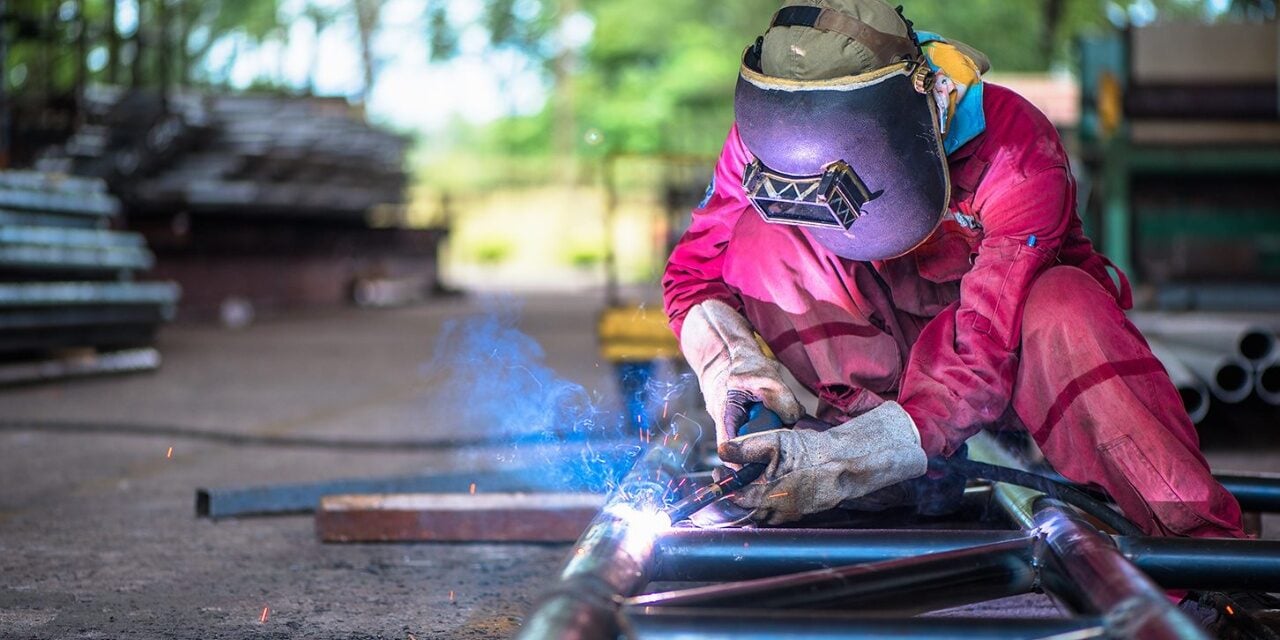
If you run hiring for a distribution center, manufacturing plant, or contracting operation, you already know the welder shortage is real. Postings sit open for months, the qualified hands have three other offers, and the one good welder you finally land gets poached six months later. Most employers treat this as a posting problem. It is actually a pipeline problem, and the companies that fix it stop competing on desperation and start hiring on strategy. Here is how to build a welder pipeline that actually fills roles in 2026, plus the salary numbers you need to budget against.
A Quick Scenario That Plays Out Constantly
Picture a 250-person regional distribution center that needs three welders for equipment maintenance and repair. The roles sit unfilled for three months because they were priced at $45,000, below market, with no advancement path mentioned. Once leadership benchmarks against real rates, moves the offer to $52,000 with overtime, and spells out the path to welding inspection at $65,000 and up, all three seats fill within six weeks. Nothing changed about the labor market. What changed was treating welding as a commodity hire versus a skilled career path. That single reframe is the difference between a pipeline and a perpetual open req.
What Welders Actually Earn in 2026
You cannot build a competitive offer without current numbers. The national median for welders in 2026 sits in the high $50,000s, but the range is what matters for budgeting:
-
Entry-level, fresh from a six-month program: low-to-mid $40,000s
-
One to two years experience: $22 to $33 an hour, often $55,000+ with overtime
-
Certified structural welders: well above median, $58,000 to $68,000
-
Pipe welders, shutdown and turnaround work: $100,000+
-
Underwater, aerospace, and nuclear welding: six figures, niche and rare
The pattern is consistent: harder certification equals higher pay. A welder who starts at $48,000 can reach specialized roles worth $65,000 to $75,000 within three to five years, which means you can promote from within instead of bleeding trained staff to contractors.
Why Demand Keeps Outpacing Supply
A large share of the experienced welding workforce is now retirement-eligible, and new welders are not entering fast enough to replace them. Add manufacturing reshoring, infrastructure spending, and energy-sector expansion, and you have more openings than qualified candidates across manufacturing, construction, energy, and logistics. When leverage sits with workers, your offer and your process have to do the convincing. We covered this broader shift in why AI is making blue collar jobs more popular again, and the same forces are tightening the welder market.
Where to Source Welders
Two pipelines feed most welder hiring, and you want relationships in both. Trade school and community college programs run six months to two years and produce job-ready graduates with AWS-track certifications. Build relationships with their career services directors and you get early access to graduating cohorts before competitors post a thing. Apprenticeships, union and non-union, develop long-term talent that you can shape from the start. For the training landscape your candidates come through, see the guide to the best online trade schools in 2026, and note that our own Virtual Trade School develops skilled trades talent directly for employer partners.
Building the Pipeline: Four Moves
First, get specific. Define whether you need general maintenance, structural, or fabrication welders, and post real salary bands. Vague postings attract vague candidates. Second, connect with local schools and apprenticeship programs before you are desperate. This is how competitors build pipelines years ahead, and it is the same logic behind an always-on hiring system for skilled trades that keeps candidate flow steady instead of reactive. Third, benchmark pay and benefits against local market data, not last year’s budget. Fourth, communicate the advancement path in the posting itself, from entry level to certified specialist to inspector or supervisor. Trade workers move toward growth they can see.
Retention Is Half the Battle
Hiring a welder is pointless if they leave in a year. The retention levers that actually work: tuition reimbursement for AWS and CWI certifications, real mentorship between experienced and newer welders, rotating responsibilities to fight burnout, and well-maintained equipment with proper ventilation and safety. Welders who stay long-term cite respect for their expertise and a visible growth path as much as pay. Make the career path explicit, since a 24-year-old who can see $70,000+ within seven years sticks through the early grind.
If you’re a welder ready to find your next opportunity, start by searching welding and skilled trades jobs on Blue Collar Recruits — the job board built exclusively for blue collar workers where employers are actively hiring.
Build Your Pipeline With TBCR
The welder shortage is not going away, but it is beatable for employers who source strategically and offer a real career instead of a commodity job. The Blue Collar Recruiter helps skilled trades employers build exactly this kind of pipeline. See how our recruiting solutions for employers keep qualified welders coming before your roles ever go cold, and connect with our team to start building yours this quarter.
Curious how welding pay stacks up against other trades? See the 15 highest-paying skilled trades in 2026.
Welding is one of several trades where pay climbs fast. See how it compares against the highest paying trade jobs.
Frequently Asked Questions
How much should I pay a welder in 2026?
Budget the low-to-mid $40,000s for entry level, $55,000+ for experienced welders with overtime, and $65,000 to $75,000 for certified specialists. Benchmark against local data before posting.
How do I find welders when there is a shortage?
Build relationships with trade schools and apprenticeship programs before you need to hire, post clear salary bands and advancement paths, and use a consistent sourcing system rather than reactive one-off postings.
How do I build a welder recruitment pipeline?
Partner with local technical schools and welding programs, ask current welders for referrals, post on trades specific job boards and keep a talent list of past applicants.
What welding certifications should I look for?
Many employers look for American Welding Society (AWS) certifications that match the process and position they need, such as MIG, TIG or stick.
How fast should employers move on welding candidates?
Move within days. Short interview steps, a clear pay range and a quick offer keep strong candidates from accepting elsewhere.
Share this post
More Resources
You are one click away from launching a rewarding trade career.