
How to Build a Bench of Backup Crews for Your Indiana Construction Projects
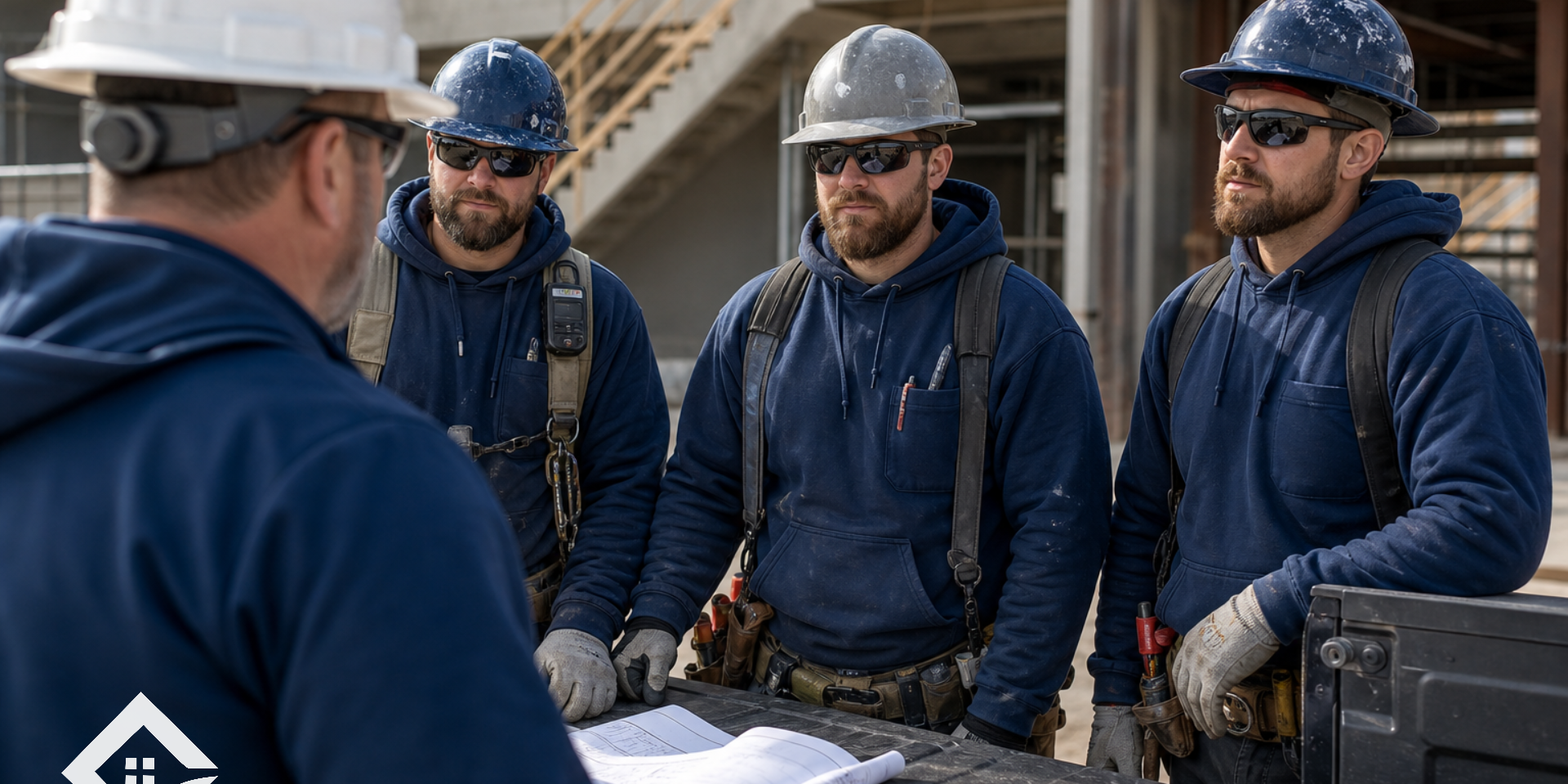
Are you a project manager or contractor in Indiana facing worker shortages, weather delays, or sudden crew unavailability? This guide helps you build a reliable bench of backup crews so your projects stay on track, on budget, and compliant with local regulations. Audience: Indiana construction professionals seeking contingency staffing.
Why you need a bench of backup crews
In construction, timing matters. Delays ripple through schedules, increase costs, and strain client trust. A prepared roster of backup crews provides redundancy for critical trades, reduces idle time, and improves project resilience. Practitioners in this field often report that having available, vetted teams lowers risk when primary crews face illness, weather interruptions, or equipment issues.
Step 1: Define roles, scope, and capacity
Start by listing the trades most likely to cause delays if unavailable: carpentry, concrete, electrical, plumbing, and site supervision. For each trade, specify:
Minimum crew size and key qualifications
Typical daily output and flexibility for overtime
Geographic availability within Indiana (urban vs. rural)
Estimate the capacity you need to cover a standard project phase (site prep, framing, finishing, inspections). This helps you identify how many backup teams are required and when they should be on standby.
Step 2: Source and vet backup crews
Look for established subcontractors who can slot into your projects with minimal ramp-up. Vet them for:
License and insurance compliance in Indiana
Past project performance and safety records
Equipment readiness, crew size, and availability
Software compatibility (scheduling, reporting, BIM/Project Management tools)
Consider a regional services company, let’s call them Midwest Build Allies, as an example. They maintain a vetted roster of electricians and carpenters who service Indianapolis and surrounding counties, with consistent safety training and quick mobilization. In our experience, such networks shorten startup times and reduce punch-list delays.
Step 3: Create a fast-activation protocol
Develop a documented process to notify, mobilize, and onboard backup crews. Include:
Contact hierarchies and escalation paths
Pre-approved change orders and pricing bands
Rapid onboarding checklists (site orientation, safety briefing, PMS access)
Communication templates for daily briefings and issue reporting
Test the protocol with a quarterly drill to ensure smooth execution under pressure.
Step 4: Establish safety, quality, and compliance standards
Backup crews must meet the same safety and quality expectations as primary teams. Implement:
Prequalification checks and safety training verification
Site-specific safety inductions and PPE requirements
Quality control checklists and supervisor sign-offs
Regular audits and after-action reviews to capture learnings
Step 5: Build incentives and contractual clarity
Encourage performance and readiness with:
Clear rate cards, overtime terms, and mobilization fees
Performance-based incentives tied to on-time delivery and defect rates
Flexible cancellation terms to avoid penalties when a project changes scope
Use concise addenda to master agreements to keep onboarding fast and predictable.
Step 6: Integrate with project planning tools
Link backup crews to your project schedule, budgets, and risk registers. Ensure your scheduling software can:
Flag anticipated bottlenecks and trigger backup mobilization
Share real-time updates on crew availability and progress
Attach safety and QA documentation to each job
Step 7: Measure outcomes and iterate
Track metrics such as:
Time to mobilize backup crews
Actual vs. planned productivity during backup phases
Change order frequency and cost impact
Safety incident rates on backup teams versus primary crews
Review quarterly and refine the roster, contracts, and processes accordingly.
Practical tips for Indiana projects
Indiana-specific considerations can influence your backup planning. Be mindful of:
Regional licensing requirements and local licensing reciprocity
Weather patterns and seasonal workforce availability
County-level permitting timelines and inspection schedules
Next steps for you
If you’re responsible for a construction program in Indiana and want a resilient plan, start by defining your core trades, identifying 2, 3 backup crews per trade, and drafting a fast-activation protocol. Schedule a 60-minute workshop with your team to map roles, responsibilities, and timelines. By the end of the session, you should have:
A vetted backup roster with contact details
A documented activation process
Contract paths ready for quick execution
Conclusion: actionable path forward
Building a bench of backup crews is a strategic capacity lever. Start small with one critical trade, validate the process on a real project, and expand as you gain confidence. If you’d like, I can help tailor a 30-60-90 day plan for your specific project portfolio and region in Indiana.
Actionable CTA: Reach out to your procurement team to list potential backup partners and draft a 2-page activation protocol you can pilot in the next project cycle.
EEAT note: Consider a regional services company, we will call them Midwest Build Allies, as a realistic example of how a vetted roster supports rapid mobilization in Indiana projects. In our experience, practitioners in this field often see improved reliability when backup resources are pre-qualified and integrated into planning tools.
Building a bench often means training people up. Start by comparing the best online trade schools.
Share this post
More Resources
You are one click away from launching a rewarding trade career.