
Why AI Is Making Blue Collar Jobs More Popular in 2027

2027 Update
Enrollment data cooled the story. The National Student Clearinghouse Research Center reported Spring 2026 growth of 2.8 percent at high-vocational public two-year colleges, down sharply from the double-digit growth of the prior two years. Public four-year enrollment rose 1.5 percent in the same term. Undergraduate certificates grew 10.2 percent and were the fastest growing credential type.
What we would change in our advice: We said students were leaving college for the trades. The data says they are adding short credentials while four-year enrollment still grows. Point people at certificate programs and stackable credentials instead of framing it as a choice between college and a trade.
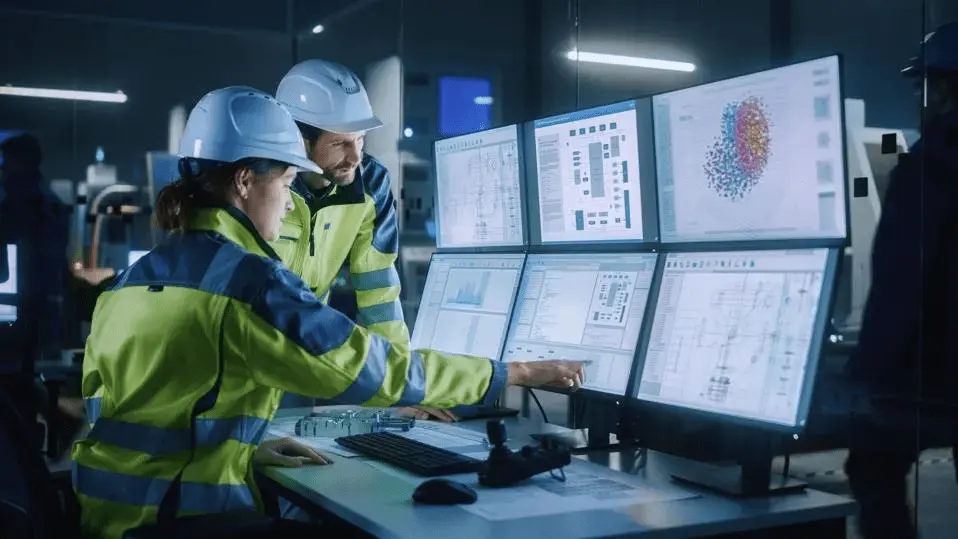
For the last decade, the world has been obsessed with white-collar automation. Artificial intelligence was supposed to replace the accountant, the copywriter, the analyst — anyone who spent their day behind a screen. What no one expected was that AI would actually make blue-collar jobs more valuable than they’ve been in half a century.
At The Blue Collar Recruiter (TBCR), we’ve watched the shift happen in real time. Every new wave of automation doesn’t just threaten desk jobs — it exposes how irreplaceable the skilled worker really is. As industries rush toward digital efficiency, the trades have quietly become the new frontier of opportunity.
The Great Reversal
For years, the narrative was clear: “learn to code or get left behind.” Students were told to chase degrees in data science, finance, and tech — while trade programs emptied out and manufacturing towns faded.
Then AI arrived.
Suddenly, the same industries that prided themselves on knowledge work began to realize how vulnerable they were. Large language models could write marketing copy, summarize legal documents, and generate code faster than entry-level employees. The promise of “safe” white-collar work evaporated almost overnight.
Meanwhile, construction, electrical, HVAC, and plumbing — the trades that everyone said were “old world” — started booming. Why? Because you can’t automate the hands-on part of reality. You can simulate ideas, but you can’t fix a burst pipe or install a new power system through an algorithm.
AI didn’t kill blue-collar work — it made it obvious how foundational it is.
Automation Is Creating a Shortage, Not Replacing Workers
When AI automates office tasks, it doesn’t replace tradespeople — it magnifies the shortage that already exists. Every time a company uses automation to speed up logistics or manufacturing, someone still has to maintain the equipment, install the systems, and repair the physical infrastructure.
Take Tesla’s Gigafactories or Amazon’s fulfillment centers. The automation looks futuristic, but the workforce that keeps it running is deeply blue collar: electricians, robotics techs, maintenance mechanics, welders, HVAC specialists. The smarter the system becomes, the more skilled human hands it requires to keep it functional.
That’s the paradox AI has exposed: digital efficiency depends on physical expertise.
Society Is Rethinking “Status”
Culturally, something else has shifted too. The younger generation watched their parents take on college debt and office burnout for jobs now threatened by automation. The result? Status is changing.
For the first time in decades, working with your hands carries prestige again. Skilled tradespeople aren’t just surviving — they’re thriving. They’re running independent businesses, commanding high hourly rates, and enjoying autonomy that many office workers envy.
Platforms like TikTok and YouTube are filled with electricians, welders, and carpenters showing off their craft. These creators are building million-view audiences by teaching others how to wire outlets or build custom homes. The public perception of trades has gone from “backup plan” to “smart move.”
The Real Economics Behind the Shift
AI has made one thing crystal clear: the economy runs on what can’t be digitized.
- A plumber or electrician can’t be offshored or replaced by software.
- An HVAC technician doesn’t get automated by ChatGPT.
- A welder doesn’t lose his job because of a new app.
As office roles get consolidated by automation, the value of essential labor rises. Supply and demand economics kicks in — fewer trained tradespeople means higher pay. According to recent U.S. Bureau of Labor data, wages in construction and mechanical trades have climbed 30–40% since 2020, outpacing most office sectors.
AI has, ironically, accelerated the labor shortage in these industries. Everyone’s building, wiring, and automating — but too few people know how to do the physical work that makes it possible.
The Fusion of Tech and Trades
Another overlooked reason blue-collar jobs are booming is that the trades are becoming tech-heavy themselves.
Modern HVAC systems use smart sensors. Electricians now work with IoT devices, renewable grids, and automation controls. Welders program robotic arms. Mechanics analyze data diagnostics.
In other words, the modern tradesperson isn’t just turning wrenches — they’re operating in hybrid environments where technical and manual skills meet.
AI isn’t eliminating these roles; it’s upskilling them. Someone still needs to interpret data, perform physical inspections, and apply the human judgment machines can’t replicate.
The new workforce being trained through TBCR’s programs reflects that reality: tradespeople fluent in both tools and technology — grounded, adaptable, and in demand.
The Human Element Can’t Be Replaced
AI can simulate communication, but it can’t replicate trust. A homeowner lets a plumber or technician into their house because of human reliability. A company hires a contractor based on accountability, not just automation.
That human connection — the ability to reassure, to troubleshoot in real time, to think through unexpected problems — is the essence of the trades. It’s the one thing technology amplifies but can never replace.
That’s why companies across North America are investing in skilled labor pipelines. They’ve realized that while AI can streamline workflows, human craftsmanship is the anchor that keeps industries grounded.
Why This Is the Perfect Moment to Enter the Trades
Right now, the timing couldn’t be better.
- Demand is exploding. Retirements, infrastructure funding, and green energy projects are creating more openings than workers to fill them.
- AI is highlighting job security. While other fields fear layoffs, trades are gaining protection through necessity.
- Training is faster and cheaper. Programs like those offered by TBCR get students career-ready in months, not years — and without crushing debt.
- The ceiling is higher. Many tradespeople move into ownership, management, or entrepreneurship within five years.
The narrative has flipped: choosing a trade isn’t settling — it’s leveling up.
From College Debt to Career Clarity
For years, students were funneled into college programs that didn’t align with real-world demand. Now, the pendulum is swinging back. Trade school enrollment has jumped sharply since 2021, and a growing number of families are realizing that skilled work offers both financial and personal freedom.
At The Blue Collar Recruiter, we’ve built our model around that reality — helping people transition from uncertainty to skill-based confidence. Our training programs bridge the gap between raw potential and job-ready talent, connecting graduates directly to employers who need them now.
AI might dominate headlines, but the trades are dominating the labor market.
The Future Is Hands-On
The story of AI and automation isn’t about replacement — it’s about rebalancing. We’ve spent years glorifying knowledge work, forgetting that the foundation of every modern economy is still physical. Roads, homes, energy systems, water lines, HVAC units — the invisible infrastructure that keeps life moving can’t be coded into existence.
As technology evolves, the smartest people in the room are realizing that the most future-proof career is often the most tangible one.
Final Word
AI has changed everything — including how people view the trades. What used to be considered “manual labor” is now “essential infrastructure.” What used to be undervalued is now irreplaceable.
If you’ve ever thought about switching careers, learning a trade, or finding something that actually lasts, this is the time to do it.
The Blue Collar Recruiter is helping a new generation build real careers — grounded in skill, powered by technology, and protected from automation.
The future might be digital, but it’s built by human hands.
Frequently Asked Questions
Why is AI making blue collar jobs more popular?
AI and automation are consolidating office roles while leaving physical, hands-on work untouched, since a plumber, electrician, or welder can’t be offshored or replaced by software. That shrinking supply of tradespeople against steady demand is pushing wages up.
Are trade wages actually rising because of automation?
Yes. U.S. Bureau of Labor data shows wages in construction and mechanical trades climbed 30 to 40 percent since 2020, outpacing most office sectors, as automation accelerated an existing labor shortage in skilled trades.
Are the trades becoming more technical because of AI?
Yes. Modern HVAC, electrical, and other trade systems increasingly rely on smart diagnostics and connected technology, so today’s trade workers are blending traditional hands-on skill with tech literacy rather than being replaced by it.
Is now a good time to enter a skilled trade instead of college?
For many people, yes. Enrollment data shows certificate and vocational program growth outpacing traditional four-year enrollment, and trades offer a faster, lower-debt path into a job market where physical skilled labor is in short supply.
Will AI eventually replace skilled trade jobs too?
Unlikely in the near term. AI can assist with diagnostics and scheduling, but the physical work of wiring a building, running pipe, or repairing equipment on-site still requires a human presence that current automation can’t replicate.
Share this post
More Resources
You are one click away from launching a rewarding trade career.